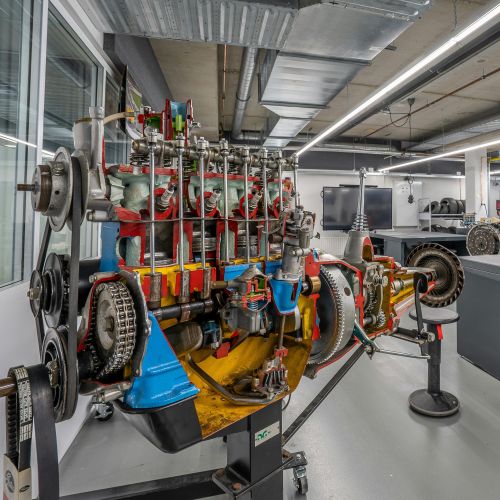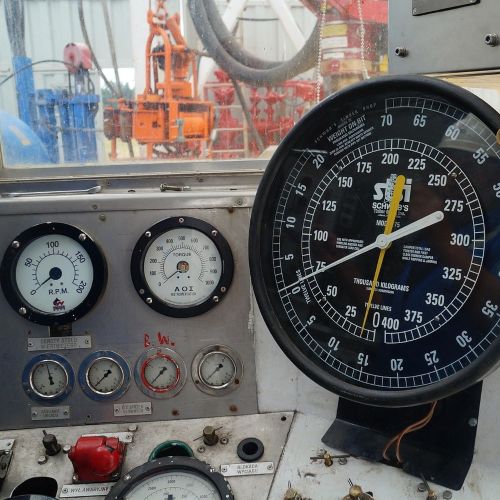
Different Types of Engineering Test Rigs for Industry and Research
Many bespoke test rigs exist in the global engineering and research communities. These test rig types are varied bespoke and standard systems used to evaluate mechanical behaviour, durability, structural integrity, and performance in engineering contexts. Engineers and decision‑makers rely on these rigs to understand how components behave under simulated real‑world conditions. From structural testing to fatigue and aerospace rigs, each has unique design features and applications.
Structural Testing Rigs
Structural testing rigs are designed to apply controlled loads — such as compression, tension, bending and shear — to validate the strength and deformation properties of materials and components. These rigs often incorporate universal testing machines (UTMs), enabling tensile and compressive force application with high precision.
Typical features include:
- Large reaction frames or strong foundations for test fixtures
- Servo‑hydraulic or electromechanical actuators
- Real‑time data acquisition and control
Institutions like Imperial College London operate advanced structural test rigs with environment chambers and digital image correlation systems for comprehensive analysis across temperature, load and strain conditions.
Fatigue and Endurance Test Rigs
Fatigue and endurance rigs simulate repeated load cycles to assess how components perform over time. These rigs are critical where long‑term reliability and life‑cycle performance are priorities such as in rotating shafts or structural parts subjected to fluctuating stress profiles.
Endurance and fatigue systems feature:
- Programmable actuation for cyclic loading
- High‑speed data logging for stress, strain and vibration
- PLC‑based control for automated test sequences
Aerospace and Transmission Test Rigs
Aerospace test rigs cover a diverse array of systems from landing gear load rigs to “iron bird” integration platforms that simulate aircraft subsystem interactions. These rigs validate hydraulic, pneumatic, structural and control systems under conditions representative of flight.
Transmission test rigs, on the other hand, focus on driveline components like gearboxes and shafts. They are engineered for diagnostic testing, endurance runs and performance verification under controlled torque and rotational profiles — often with high‑precision torque sensors and dynamic balancing.
Examples include:
- Full‑scale wing test rigs for static and dynamic loading
- Avionics hardware‑in‑the‑loop (HIL) simulation platforms
- High‑speed transmission test stands with multi‑axis measurement
Materials and Research Test Rigs
Materials test rigs — such as universal testing machines — are versatile platforms used across research and industrial labs to determine mechanical properties like tensile strength, flexural rigidity and torsional resistance.
Research facilities use bespoke rigs for niche applications such as axial‑torsional fatigue studies or elastohydrodynamic film thickness measurement in tribology.
Key characteristics often include:
- Multi‑mode test capability (e.g., tensile, fatigue, torsion)
- Integrated environmental control (temperature, humidity)
- High‑resolution data acquisition for precision research
Ready for Bespoke Test Rig Solutions?
Researchers and engineers often require tailored solutions to accurately assess component performance. Whether it’s a structural rig for high‑load testing, a fatigue system simulating long‑term operation, or a complex aerospace test platform, bespoke engineering approaches are critical. Expertise in test rig design at CNR ensures each system is optimised for its specific application, integrating seamlessly with existing machinery or production setups. For projects that demand end‑to‑end support, our engineering design services provide concept development, detailed analysis, and full delivery, giving clients confidence in both performance and compliance.
- End‑to‑end test rig design and development
- Integration of advanced instrumentation and control systems
- Compliance‑ready solutions for aviation and rotorcraft applications
Note: This article is for general information only